
The World Health Organization (WHO) is the leading global authority on public health. Established to coordinate international health efforts, WHO plays a central role in disease control, health policy guidance, emergency response, and global health equity.
From eradicating smallpox to coordinating the global response to pandemics, the organization influences the health of billions of people. In this comprehensive, SEO-optimized guide, we’ll examine WHO’s history, structure, responsibilities, achievements, controversies, funding model, and its future in global health governance.
What Is the World Health Organization?
The World Health Organization is a specialized agency of the United Nations responsible for international public health. It was officially founded on April 7, 1948—a date now celebrated annually as World Health Day.
WHO’s constitution defines health as:
“A state of complete physical, mental and social well-being and not merely the absence of disease or infirmity.”
This broad definition shapes its global mandate.
Why Was the WHO Created?
After World War II, global leaders recognized that infectious diseases and health crises did not respect borders. The need for a centralized international health authority became urgent.
In 1948, WHO was formed to:
Coordinate international health efforts
Standardize disease classification
Provide technical assistance to countries
Improve sanitation and vaccination access
Combat epidemics
Today, it operates in over 150 countries through regional and country offices.
Where Is WHO Headquartered?
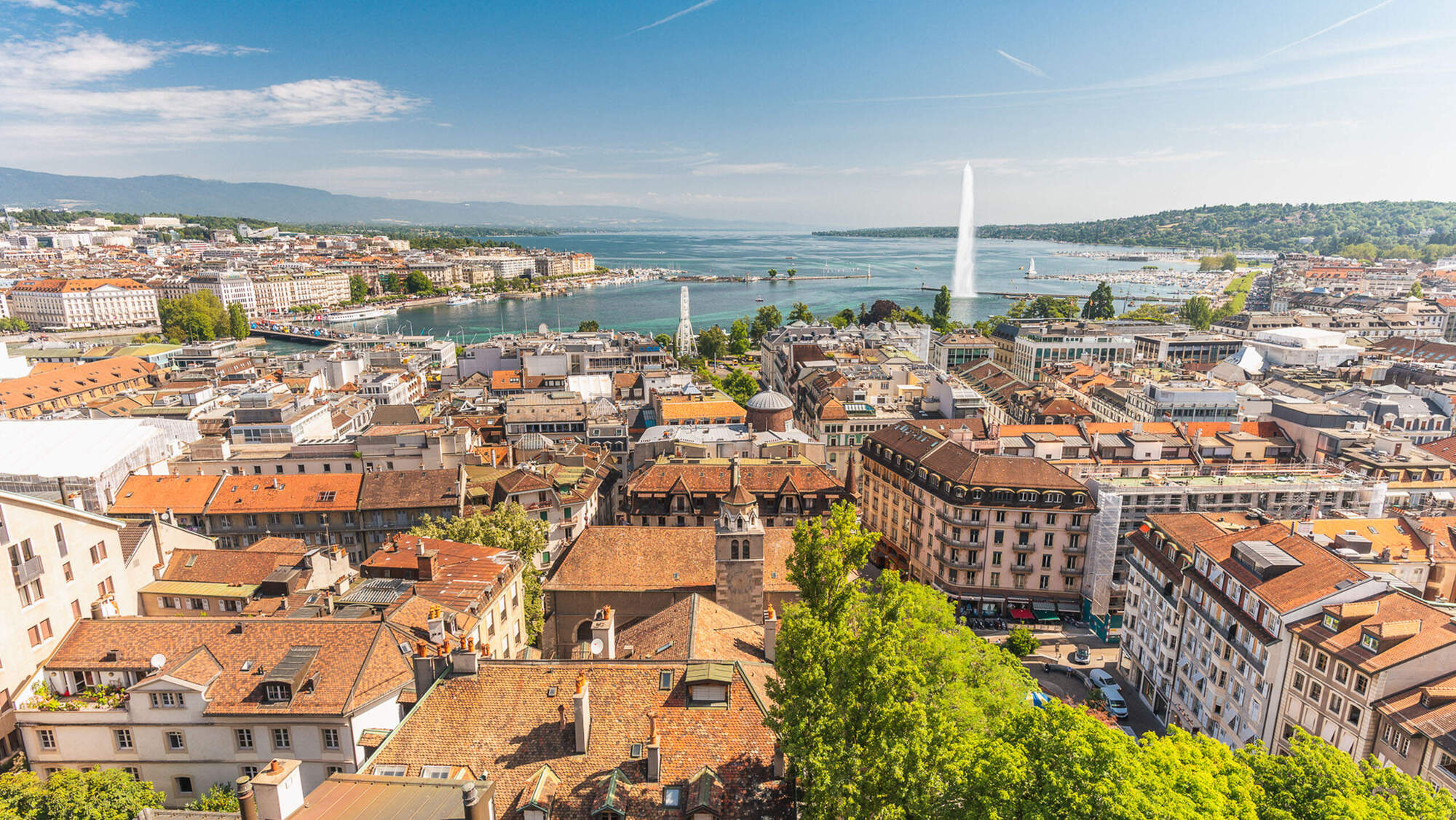
WHO’s headquarters is located in Geneva, a global hub for diplomacy and international organizations.
In addition to its headquarters, WHO operates six regional offices:
Africa (AFRO)
Americas (PAHO)
South-East Asia (SEARO)
Europe (EURO)
Eastern Mediterranean (EMRO)
Western Pacific (WPRO)
These regional offices adapt global health strategies to local contexts.
WHO’s Core Responsibilities
WHO’s responsibilities fall into several key areas:
1. Global Disease Surveillance
WHO monitors outbreaks and tracks global disease trends. It manages the International Health Regulations (IHR), which require countries to report public health emergencies of international concern.
2. Pandemic Response
During global crises such as COVID-19, WHO coordinates international data sharing, provides public guidance, and supports vaccine distribution efforts.
3. Vaccine Programs
WHO works with global partners to expand immunization coverage. It helped lead the eradication of smallpox—the only human disease completely eliminated worldwide.
4. Setting Health Standards
WHO publishes global guidelines on:
Nutrition
Air quality
Water safety
Disease classification (ICD system)
Essential medicines
5. Health Equity Advocacy
WHO prioritizes universal health coverage (UHC), aiming to ensure everyone can access healthcare without financial hardship.
Major Achievements of the WHO
1. Smallpox Eradication
One of WHO’s most historic achievements was the global eradication of smallpox in 1980. This milestone demonstrated the power of coordinated international vaccination campaigns.
2. Polio Reduction
WHO has led global initiatives that reduced polio cases by over 99% since 1988.
3. Tobacco Control
WHO introduced the Framework Convention on Tobacco Control (FCTC), the first international public health treaty.
4. HIV/AIDS Coordination
Through global programs, WHO expanded access to antiretroviral therapy in low-income nations.
How Is the WHO Funded?
WHO’s funding model includes:
Assessed contributions (mandatory dues from member states)
Voluntary contributions (from governments, foundations, NGOs)
A significant portion of WHO’s budget comes from voluntary contributions, which are often earmarked for specific projects. This funding structure has sparked debate about influence and priorities.
WHO and the COVID-19 Pandemic
During COVID-19, WHO:
Declared a Public Health Emergency of International Concern (PHEIC)
Issued global health guidance
Coordinated vaccine distribution through COVAX
Tracked variants and case data
While praised for its rapid information-sharing, WHO also faced criticism regarding early response decisions and political pressures.
Organizational Structure
WHO operates under three primary governing bodies:
1. World Health Assembly (WHA)
The WHA is WHO’s decision-making body, composed of representatives from all 194 member states.
2. Executive Board
The Executive Board implements decisions and provides strategic oversight.
3. Director-General
The Director-General leads WHO and serves as the organization’s chief technical and administrative officer.
Key Focus Areas in 2026
As of 2026, WHO priorities include:
Pandemic preparedness reform
Climate change and health
Antimicrobial resistance (AMR)
Mental health expansion
Universal health coverage
Climate-related health threats, including extreme heat and vector-borne diseases, are increasingly central to WHO strategy.
WHO’s Role in Developing Countries
WHO provides:
Technical support
Laboratory infrastructure
Training for healthcare workers
Emergency medical supplies
Vaccination campaigns
Its goal is to strengthen local health systems rather than create dependency.
Criticisms and Controversies
Despite its achievements, WHO faces criticism in areas such as:
Bureaucratic delays
Political pressure from member states
Funding dependency
Response timing during global outbreaks
However, public health experts often emphasize that WHO’s authority depends on cooperation from sovereign nations—it cannot enforce policies independently.
Why WHO Matters More Than Ever
Globalization, climate change, urbanization, and increased travel mean that health crises spread faster than ever. No country can manage modern pandemics alone.
WHO provides:
A centralized scientific authority
Standardized data systems
Coordinated international response
Evidence-based global guidelines
In an interconnected world, the absence of such an organization would create fragmentation and slower emergency responses.
The Future of the World Health Organization
Reforms under discussion include:
Strengthening global pandemic treaties
Increasing stable funding
Enhancing rapid-response infrastructure
Improving transparency
Many experts argue that WHO will need expanded authority and more predictable funding to effectively handle future global health emergencies.
Frequently Asked Questions (SEO Section)
What does the World Health Organization do?
WHO coordinates international public health efforts, tracks disease outbreaks, sets health standards, and supports countries in strengthening healthcare systems.
How many countries are members of WHO?
WHO has 194 member states.
Is WHO part of the United Nations?
Yes. WHO is a specialized agency within the UN system.
Where is WHO located?
Its headquarters is in Geneva, Switzerland.
The World Health Organization remains one of the most influential institutions in global health. From eradicating diseases to shaping international health policy, its impact spans decades and continents.
In an era defined by pandemics, climate change, and rising health inequities, WHO’s role is both complex and indispensable. While it faces funding challenges and political scrutiny, its mission—to promote health, keep the world safe, and serve the vulnerable—remains foundational to global stability.
Understanding WHO is not just about understanding an organization. It is about understanding how the world cooperates to protect human life on a planetary scale.
Comments
Post a Comment