

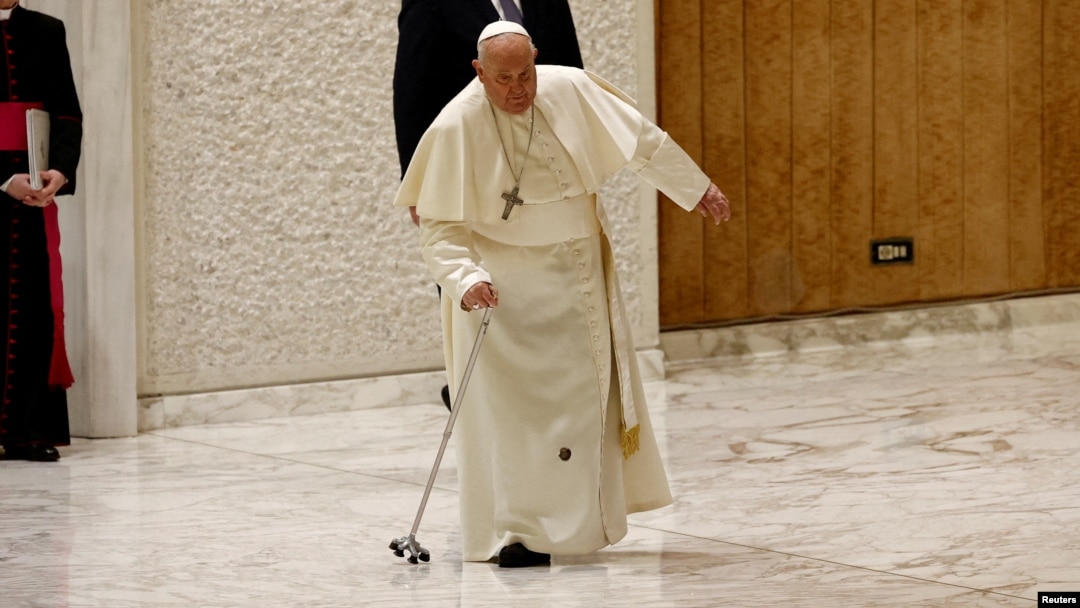

The health of Pope Francis has become a subject of global attention in recent years. As the spiritual leader of over one billion Catholics worldwide and the sovereign of Vatican City, his physical condition carries religious, diplomatic, and institutional implications.
In this detailed, SEO-optimized article, we’ll examine Pope Francis’ medical history, recent hospitalizations, chronic conditions, mobility challenges, surgeries, and how his health may affect the future of the papacy.
Who Is Pope Francis?
Born Jorge Mario Bergoglio in 1936 in Buenos Aires, Argentina, Pope Francis became the 266th pope of the Roman Catholic Church in 2013. He is the first pope from the Americas and the first Jesuit pope in history.
As of 2026, he is in his late 80s, making age a natural factor in ongoing health discussions.
Early Health History
One of the most frequently discussed aspects of Pope Francis’ health dates back to his early adulthood.
Lung Surgery in His Youth
In his early 20s, he suffered a severe respiratory infection that led to the removal of part of one lung. While this has not significantly impaired his public duties, it has contributed to occasional respiratory vulnerability, especially during cold and flu seasons.
Despite this partial lung removal, medical experts have noted that individuals can live full, active lives with reduced lung capacity, particularly if the remaining lung is healthy.
Chronic Knee Problems and Mobility Issues

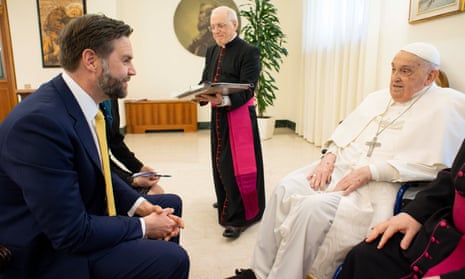
In recent years, Pope Francis has struggled with chronic knee pain, primarily due to ligament damage and osteoarthritis.
Key Mobility Developments:
Increased reliance on a wheelchair
Frequent use of a cane
Reduced standing during public Mass
Delegation of certain ceremonial duties
Doctors have recommended non-surgical management approaches, including physical therapy and anti-inflammatory treatments. At his age, knee replacement surgery carries higher risk, which may explain the conservative treatment plan.
Colon Surgery in 2021
In July 2021, Pope Francis underwent colon surgery at Gemelli Hospital in Rome. The procedure addressed symptomatic diverticular stenosis of the colon—a narrowing of the intestine often linked to diverticulitis.
The surgery was described as planned and successful. He remained hospitalized for several days before returning to the Vatican.
Diverticular disease is relatively common in older adults and, when treated properly, does not necessarily imply long-term systemic health decline.
Respiratory Infections and Hospital Visits
Given his history of lung surgery, respiratory infections are closely monitored.
In 2023 and 2024, he experienced episodes of bronchitis that required short hospital stays for monitoring and antibiotic treatment. Vatican officials reported stabilization and recovery in each instance.
Respiratory health remains one of the most watched aspects of his condition, especially during winter months.
Abdominal Hernia Surgery (2023)
In June 2023, Pope Francis underwent abdominal surgery to repair a hernia and remove intestinal scar tissue. This followed complications related to earlier procedures.
The surgery was again performed at Gemelli Hospital and was reported as successful. Recovery required several weeks of limited activity.
Abdominal hernias are not uncommon in elderly patients, particularly those with prior surgeries.
Fatigue and Public Schedule Adjustments
As Pope Francis ages, his public schedule has been adjusted to accommodate energy levels and medical recommendations.
Changes include:
Shorter public appearances
Fewer international trips
More seated engagements
Delegation of liturgical responsibilities
Despite physical limitations, he has maintained an active leadership role and continues to deliver homilies, speeches, and policy guidance.
Mental and Cognitive Health
There has been no credible medical reporting indicating cognitive decline. In interviews and public addresses, Pope Francis remains articulate and mentally sharp.
Observers note his continued engagement with global issues such as:
Climate change
Migration
Interfaith dialogue
Global inequality
Mental acuity appears intact based on consistent public communication.
Does Pope Francis Have a Terminal Illness?
As of 2026, there is no verified evidence that Pope Francis is suffering from a terminal illness. Most of his medical challenges are age-related and manageable chronic conditions rather than life-threatening diagnoses.
Speculation often circulates online, but official Vatican medical updates have not indicated cancer or irreversible systemic disease.
How His Health Affects the Papacy
The health of a pope carries institutional consequences.
1. Travel Limitations
International papal visits have been reduced due to mobility constraints.
2. Governance Adaptation
More responsibilities are delegated to Vatican departments and cardinals.
3. Resignation Possibility
Following the precedent set by Pope Benedict XVI, papal resignation is no longer considered unprecedented. Pope Francis has stated that resignation is a possibility if health severely limits his ability to serve.
However, he has also indicated he does not currently plan to step down.
Public Transparency and Vatican Communication
The Vatican has taken a more transparent approach to medical updates compared to earlier eras. Official press releases provide general information without disclosing overly detailed medical records.
This transparency reflects modern expectations around public leadership accountability.
Risk Factors Related to Age
At nearly 90 years old, natural age-related risks include:
Reduced immune resilience
Increased fall risk
Slower recovery times
Cardiovascular monitoring needs
However, longevity among elderly global leaders has become more common due to advances in modern medicine.
Global Reaction to Health Updates
Every hospitalization triggers global media coverage. Catholics worldwide often respond with prayer vigils and public support.
World leaders also monitor his health closely due to his influence in diplomacy and humanitarian advocacy.
Current Health Status (2026 Overview)
Based on official reports:
Mobility remains limited
Chronic knee pain persists
Respiratory system is stable but monitored
No confirmed terminal condition
Cognitive health appears strong
He continues to perform core papal duties.
Frequently Asked Questions (SEO Section)
How old is Pope Francis?
He was born in 1936.
Does Pope Francis use a wheelchair?
Yes, primarily due to chronic knee problems.
Has Pope Francis had surgery?
Yes. He has undergone colon surgery and abdominal hernia repair in recent years.
Is Pope Francis stepping down?
He has stated resignation is possible in principle but has not announced plans to do so.
The health of Pope Francis reflects the realities of aging in a highly demanding leadership role. While he faces chronic mobility issues and occasional respiratory challenges, there is no verified evidence of life-threatening illness as of 2026.
His resilience, continued mental clarity, and sustained public engagement suggest that although physically limited, he remains actively engaged in guiding the Catholic Church.
As global interest continues, the Vatican’s approach to transparency and medical disclosure will likely remain measured but responsive.
Understanding Pope Francis’ health is not simply about medical updates—it is about observing how modern institutions adapt to aging leadership in a global spotlight.
Comments
Post a Comment