Gut health has become one of the most discussed topics in modern wellness—and for good reason. Your gut does far more than digest food. It influences your immune system, mental clarity, metabolism, inflammation levels, and even your mood. At the center of this complex system is the gut microbiome, a vast ecosystem of trillions of microorganisms living primarily in your intestines.
In this comprehensive guide, you’ll learn what gut health really means, why it matters, the science behind the gut microbiome, signs of an unhealthy gut, and proven strategies to improve digestive health naturally.
What Is Gut Health?
Gut health refers to the balance and function of microorganisms in the gastrointestinal (GI) tract—especially within the large intestine. The digestive system includes the stomach, small intestine, and large intestine, but most microbial activity occurs in the colon.
Inside your gut lives a community of bacteria, fungi, viruses, and other microbes. Many of these are beneficial and essential for survival. They help:
Break down food and extract nutrients
Produce vitamins like B12 and K
Regulate immune function
Protect against harmful pathogens
Influence hormone and neurotransmitter production
When this ecosystem is balanced, it supports optimal digestion and overall health. When it becomes imbalanced—a condition called dysbiosis—it can contribute to a wide range of health problems.
The Gut Microbiome Explained
The term “gut microbiome” refers to the genetic material of all microbes living in your digestive tract. Research from the National Institutes of Health and global microbiome initiatives has shown that your microbiome contains more genes than the human genome itself.
Each person’s microbiome is unique, shaped by:
Diet
Environment
Antibiotic use
Stress levels
Sleep patterns
Early life exposure
A diverse microbiome—meaning a wide variety of microbial species—is generally associated with better health outcomes.
Why Gut Health Is So Important
1. Gut Health and Immunity
About 70% of your immune system resides in the gut. The gut lining acts as a barrier, allowing nutrients to pass into the bloodstream while blocking harmful invaders. Beneficial bacteria help train immune cells to distinguish between harmless substances and real threats.
If the gut barrier weakens, it can lead to increased intestinal permeability—often referred to as “leaky gut.” This may allow toxins and undigested particles into the bloodstream, triggering inflammation.
2. The Gut-Brain Connection
The gut and brain communicate constantly through the gut-brain axis. The vagus nerve acts as a communication highway between the digestive system and the central nervous system.
In fact, roughly 90% of the body’s serotonin—a neurotransmitter associated with mood—is produced in the gut. Imbalances in gut bacteria have been linked to anxiety, depression, and cognitive changes.
3. Gut Health and Metabolism
Your gut microbes influence how you process carbohydrates, fats, and proteins. They also affect insulin sensitivity and fat storage. Research suggests that differences in gut bacteria may contribute to obesity and metabolic disorders.
4. Gut Health and Inflammation
Chronic inflammation is a root cause of many modern diseases. A balanced microbiome produces short-chain fatty acids (SCFAs) like butyrate, which reduce inflammation and nourish intestinal cells.
When harmful bacteria dominate, inflammatory compounds can increase—potentially contributing to conditions such as irritable bowel syndrome (IBS), autoimmune disorders, and cardiovascular disease.
Signs of Poor Gut Health
An unhealthy gut doesn’t always show obvious symptoms. However, common warning signs include:
Bloating and gas
Chronic constipation or diarrhea
Acid reflux
Food intolerances
Fatigue
Brain fog
Frequent infections
Skin issues like eczema or acne
Sugar cravings
If multiple symptoms persist, it may indicate microbiome imbalance.
What Causes an Unhealthy Gut?
Several modern lifestyle factors disrupt gut balance:
1. Poor Diet
Highly processed foods, refined sugars, and artificial additives feed harmful bacteria while starving beneficial ones.
2. Antibiotic Overuse
Antibiotics can wipe out both harmful and beneficial bacteria. Repeated use may significantly alter microbiome diversity.
3. Chronic Stress
Stress affects gut motility and microbial composition. The gut-brain axis means psychological stress can physically impact digestion.
4. Lack of Sleep
Sleep deprivation negatively influences microbial balance and immune regulation.
5. Low Fiber Intake
Fiber acts as fuel for beneficial bacteria. Diets low in fiber reduce production of anti-inflammatory compounds.
Best Foods for Gut Health
Improving gut health starts with dietary changes. Here are evidence-based choices that support microbiome diversity:
1. Fermented Foods



Fermented foods contain live probiotics—beneficial bacteria that help restore balance.
Examples:
Yogurt with live cultures
Kefir
Kimchi
Sauerkraut
Kombucha
Regular consumption can increase microbial diversity.
2. High-Fiber Foods



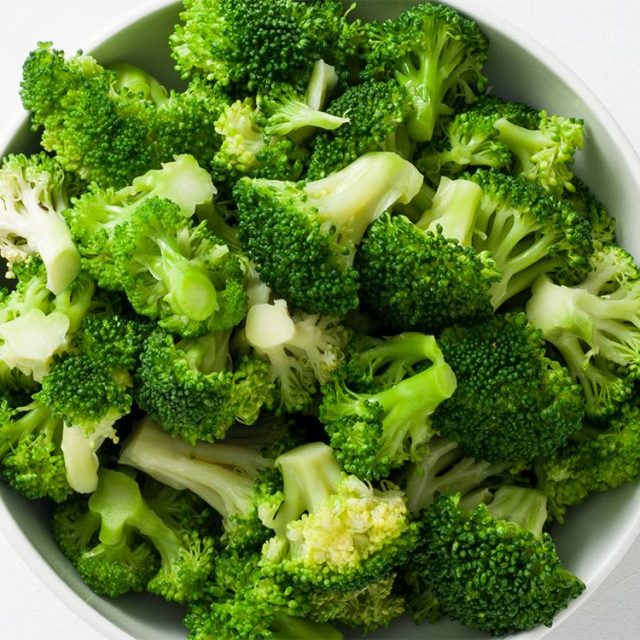
Fiber feeds beneficial gut bacteria. These bacteria ferment fiber into short-chain fatty acids that reduce inflammation.
Top sources:
Lentils
Beans
Oats
Chia seeds
Flaxseeds
Broccoli
Apples
Aim for at least 25–38 grams of fiber per day, depending on age and sex.
3. Prebiotic Foods
Prebiotics are specific types of fiber that nourish good bacteria.
Examples:
Garlic
Onions
Asparagus
Bananas
Leeks
Combining prebiotics and probiotics enhances gut ecosystem resilience.
Do You Need Probiotic Supplements?
Probiotic supplements can help in certain situations—especially after antibiotics or during digestive distress. However, not all probiotics are equal.
Different strains serve different functions. For example:
Lactobacillus strains often support digestion
Bifidobacterium strains support immune balance
Before starting supplements, consider consulting a healthcare provider, especially if you have underlying conditions.
Lifestyle Habits That Improve Gut Health
Diet alone isn’t enough. These lifestyle practices significantly influence gut balance:
1. Reduce Stress
Meditation, breathwork, and exercise regulate the gut-brain axis and improve digestion.
2. Prioritize Sleep
Aim for 7–9 hours of quality sleep per night to support microbiome regulation.
3. Exercise Regularly
Moderate physical activity increases microbial diversity.
4. Stay Hydrated
Water supports digestion and helps maintain intestinal lining integrity.
Gut Health and Chronic Conditions
Emerging research links gut imbalance to numerous chronic diseases, including:
Type 2 diabetes
Obesity
Autoimmune disorders
Inflammatory bowel disease
Cardiovascular disease
Mood disorders
Institutions like Harvard Medical School continue researching the gut microbiome’s role in systemic health.
How Long Does It Take to Improve Gut Health?
Positive changes can begin within days of improving diet. However, meaningful microbiome shifts may take several weeks to months. Consistency is critical.
You may notice:
Reduced bloating within 1–2 weeks
More regular bowel movements
Improved energy
Clearer skin
Better mood stability
Simple 7-Day Gut Health Reset Plan
Day 1–2: Remove ultra-processed foods and added sugars
Day 3–4: Add fermented foods daily
Day 5: Increase fiber intake
Day 6: Focus on hydration and sleep
Day 7: Add stress-reduction practice
Continue building from there.
Myths About Gut Health
Myth 1: All Bacteria Are Bad
Many bacteria are essential for survival.
Myth 2: More Probiotics Is Always Better
Excess supplementation without need may cause bloating or imbalance.
Myth 3: Gut Health Only Affects Digestion
The gut impacts immunity, mood, metabolism, and inflammation.
The Future of Gut Health Research
Advancements in microbiome sequencing are leading to personalized nutrition plans tailored to individual gut profiles. Precision probiotics and microbiome testing may redefine preventative medicine in the coming decade.
Research initiatives supported by the World Health Organization and other global institutions are exploring how gut health influences worldwide disease patterns.
Gut health is foundational to overall wellness. Your digestive system is not just a food-processing machine—it is a complex ecosystem influencing nearly every aspect of your health.
By prioritizing:
Whole, fiber-rich foods
Fermented options
Stress management
Sleep hygiene
Moderate exercise
You can support a diverse, resilient microbiome and improve long-term health outcomes.
The science is clear: when your gut thrives, your entire body benefits.
If you start with one step today, make it this—feed your microbiome the nutrients it needs, and it will work in your favor for years to come.
Comments
Post a Comment